Could Poker Work Without Playing Cards?
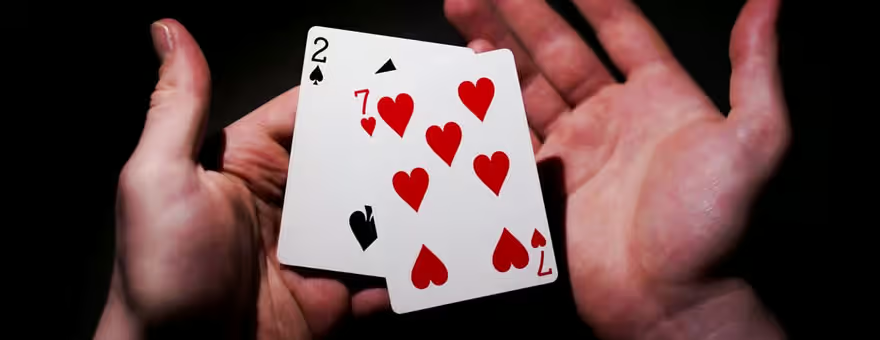
Poker without playing cards sounds wrong at first. Like tea without a cup. Or football without someone arguing about a referee. The cards feel essential because they are what we see first. Two cards in the hand. Five on the table. A slow reveal. A player pretending their face is not currently leaking information. But poker is not really about cardboard rectangles.
Poker is about hidden information, risk, reading people, timing, pressure, and making others believe a story that may be complete nonsense. The cards are just the delivery system. Very elegant, yes. Very iconic too. But still a system. So could poker work without them? Actually, yes. It could. But it would need to protect the soul of the game.
Hidden information is the real engine
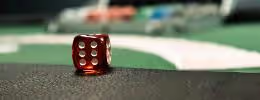
The first thing poker needs is secrecy. If everyone knows everything, the game becomes math homework with chips. Not ideal. Poker works because each player knows something others do not. That hidden piece could come from dice kept under cups, digital symbols, numbered tiles, secret tokens, character abilities, or even random items in a video game. It does not have to be a king, queen, ace, or suited connector. It just has to create uncertainty.
The player needs to think, “What do I have, what could they have, and why is that person suddenly breathing like a suspicious kettle?” That is poker. The object can change. The doubt must stay.
The rankings need a replacement
Traditional poker has hand rankings. Pair, straight, flush, full house, all that familiar furniture. Remove cards, and the game needs a new way to compare outcomes. That could work with dice combinations, symbol sets, pattern building, numbered tokens, or digital creatures with values and traits. Maybe three matching symbols beats a sequence. Maybe rare icons combine into stronger results. Maybe players build secret hands from tiles drawn out of a bag.
The trick is clarity. Players should understand what beats what without needing a law degree and a headache. Poker can be deep, but the basic result must feel readable. Confusion kills tension. Nobody wants a dramatic final reveal followed by someone checking a manual for four minutes.
People are the best part
This is where poker survives almost anything. The human part is stronger than the cards. The stare. The hesitation. The quick call. The suspiciously casual raise. The person who talks too much when they are weak and somehow even more when they are strong. Poker is a social pressure cooker. That would still work with dice, tiles, tokens, or a screen full of strange symbols. As long as players can bluff, fold, trap, read, panic, and pretend not to panic, the game still has that poker flavor.
It could work, but it must feel sharp
Poker without playing cards would not replace classic poker. The deck is too clean, too portable, too perfect. It has centuries of muscle memory behind it. But a cardless poker inspired game could absolutely work. It just needs secrecy, risk, rankings, psychology, and that lovely uncomfortable moment where someone pushes more chips forward and everyone at the table suddenly becomes a detective. Cards made poker famous.