The Psychology of Near Wins: Why We Keep Playing

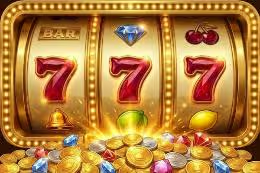
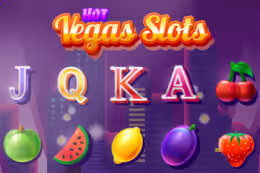
So close. Just one more spin. That cherry almost lined up. And somehow, that loss felt a lot like a win. That, right there, is the sneaky, shiny magic of the near win. And your brain? Oh, it loves it. Casino games—slots, roulettes, even free digital ones—aren’t just about luck. They’re psychological playgrounds. And tucked inside those blinking lights and spinning reels is one of the most compelling triggers in modern game design: the near miss. It’s the not-quite-win that feels just enough like a win to keep you reaching for the next round.
Not a win, but your brain doesn't know that
Here’s the wild part. Your brain doesn’t exactly treat a near miss like a failure. According to a 2009 Study in the journal Neuron, near misses “recruit reward circuitry” in the brain. In simpler words: even when you lose, the same areas of your brain light up as if you almost got rewarded. And that almost is what keeps you coming back.
In fact, the study observed elevated dopamine responses after near misses. Not quite the full jackpot buzz, but still a warm little nudge. Like your brain saying, “Hey, we’re onto something. Let’s try again.” Except you didn’t win. You just got fooled. But it felt rewarding.
Why free games still work their charm
Now you’re thinking: sure, but I play free casino games. No real money. Just chips I collect daily. So why does it still feel good? Why do I keep playing when there’s nothing at stake? That’s the beauty of our brain chemistry. Dopamine doesn’t care if the prize is real. It cares about the possibility of reward. The anticipation. The “I could win this time.” That’s enough to trigger engagement. Even in free games, players report real emotional highs after near wins—and developers know this.
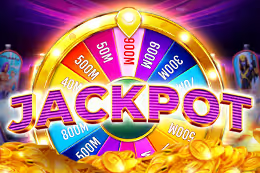
Which is why so many of these games lean hard into near miss animations. You spin. You hit two jackpot icons. The third one slowwwly rolls into place. Then stops just a hair too high. That moment? That’s the moment you're hooked.
Anticipation makes it personal
There’s another layer to this. Near wins give you hope. False hope, sure, but also fuel. They suggest you’re improving. Getting closer. Like your luck is just around the corner. “That was almost it,” you say. “One more time.” Suddenly, it’s no longer just a game. It feels like a personal challenge. Free casino games amplify this with streaks, progress bars, and daily goals. They wrap your experience in narrative and reward you constantly—even if you’re technically losing. It creates a sense of progress. A loop. One you don’t want to exit.
The social twist: losses don't feel so lonely
Add in live chats, leaderboards and cheering animations. Suddenly, you're not spinning alone. You’re spinning with friends. Near wins become group events. Someone says, “Ugh, just missed it!” and ten people relate. There's comfort in that shared frustration. Even joy. Community turns every spin into a shared adventure.
It’s not about manipulation. It’s about design. Smart, powerful, brain-tickling design. Near wins walk a strange, addictive line between hope and failure. They play with perception. They make you feel like you're on the edge of greatness. And your brain? It eats it up.